


The World
Globe /
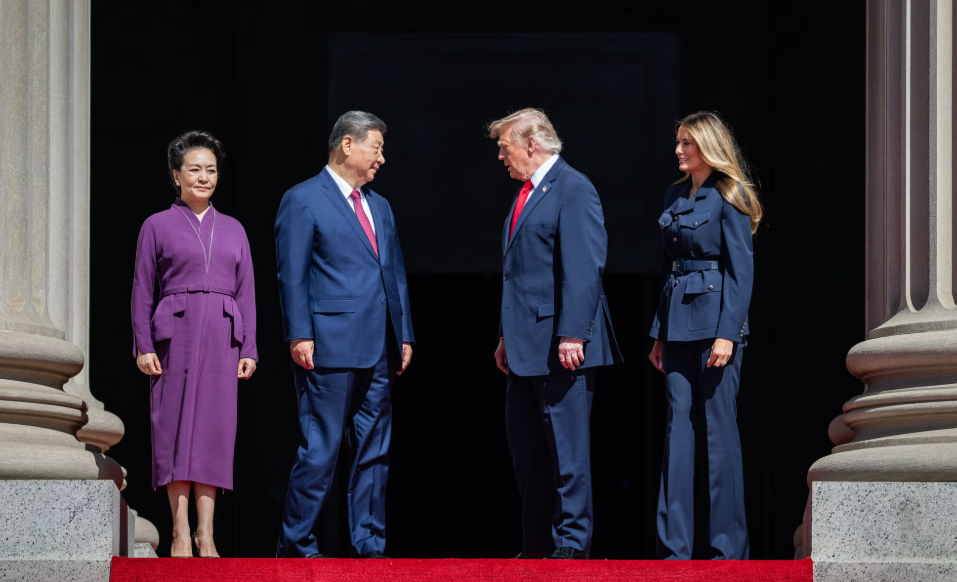
Trump rolls out a red carpet for President Xi, yet U.S. trade negotiators cite Canada’s dealing with China as problematic.
OPEC+ struggle to supply global markets with oil due the impact of war, as the world turns to the U.S. for diesel exports.
Tech companies plead for a slowdown on AI development, and young adults just kinda don’t like sex anymore.
Europe /
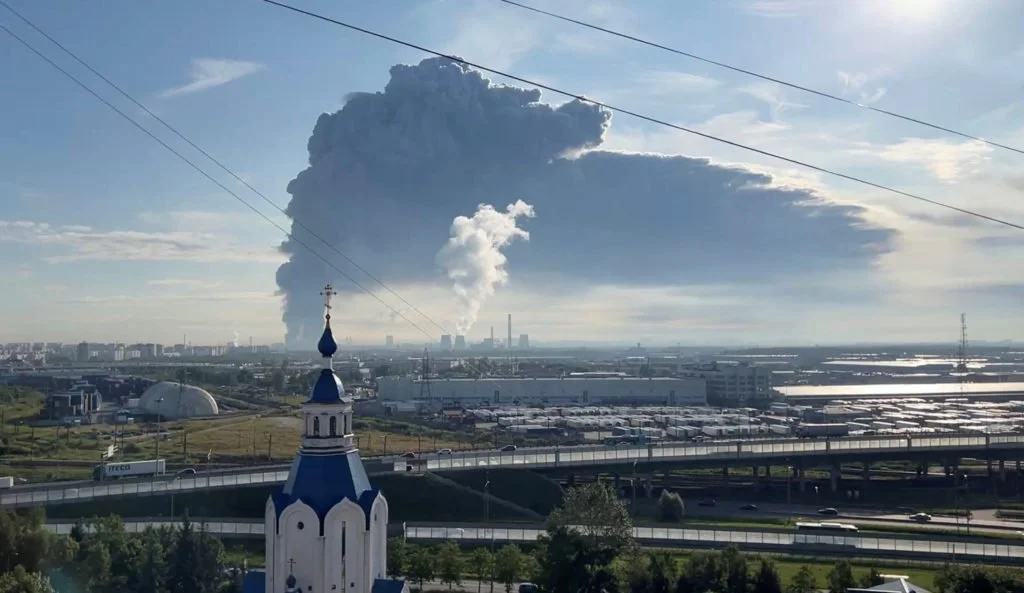
Ukraine’s 40-day strike on Russian infrastructure questions Putin’s rule, as Oligarch Andrey Melnichenko gets an op-ed.
Tensions rise between Russia and Germany, as both countries expand drone technology for war measures.
Dutch Central Bank (DNB) moves $10B worth of gold from New York to London, rebalancing its reserves holding.
The Norway’s Sovereign Wealth Fund divests from U.S. Treasury bills, with a $215B investment being cut by $80B.
Africa and Middle East /
Israel installs 23 cranes with AI equipped machine guns to monitor Gazans, as Netanyahu loses grip on the Knesset.
Syria’s designation as a state sponsor of terrorism has been removed by the U.S. and removed from sanctions lists.
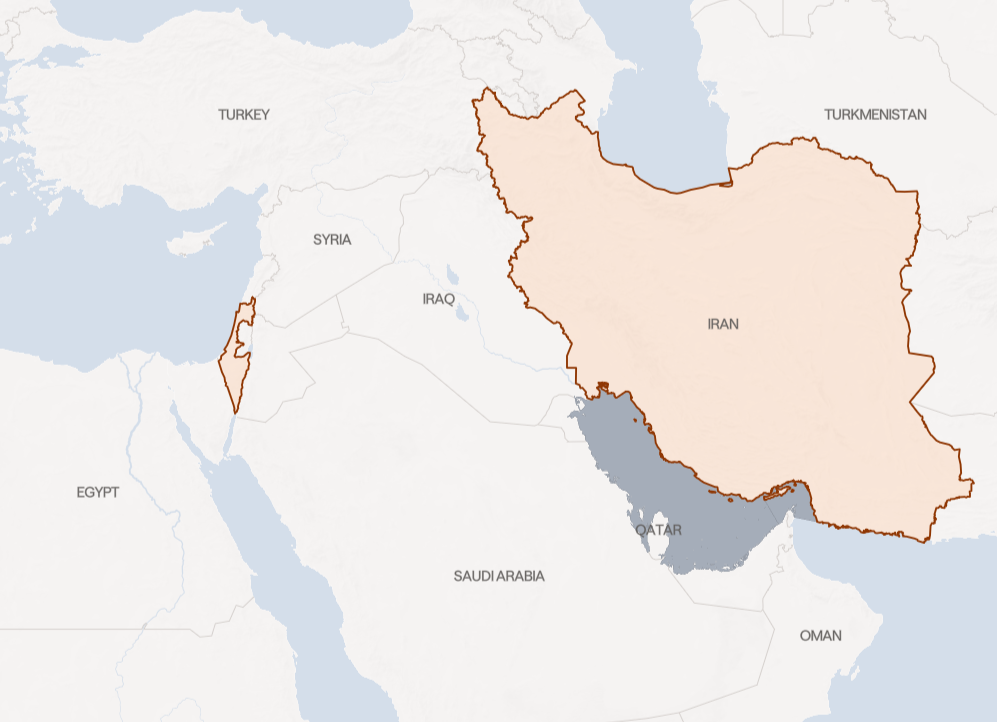
Energy traffic remains at a standstill, as U.S. and Iran cannot reach a deal, aiding to diesel prices jumping 76% YOY.
The Grand Egyptian Museum opened this year, while French museums continue to struggle to prevent robberies.

North America /
U.S. links 3 sites in Cuba to Chinese intelligence activity; China reacts by requesting an end to the islands blockade.
The 2022 decline in U.S. crimes stats continues, dipping to historic low levels in 2026 in 9 of 13 measured offense types.
Canada Investment Summit draws foreign development interest, and EU ‘Associate’ status presents new trade lines.
The U.S Fed raises interest rates for the first time in 2023, while 10 year+ bond treasury yields surpass 5%.

Latin America /
Brazil denies US officials visas ahead of October’s election, as Trump openly supports opposition and Flávio Bolsonaro.
Colombia’s New President Espriella, strikes on Drug Cartels and FARC guerrillas killing 6 within 2 days in office.
Peru leans right by electing new President Keiko Fujimori, focusing on crime, economic growth, working with the U.S.
Argentina gets tariff-free access to US market for 300,000 tons of beef, recalls raise concern quality is substandard.

Asia Pacific /
Shanghai-based manufacturer, Aishengna challenges ASML’s Deep Ultraviolet Lithography (DUV) market dominance.
Indian Gen-Z rise up in the name of the ‘Cockroach Janta Party’ (CJP) in reaction to Education Minister comments.
China clears up ambiguity on overseas trust holdings, as they plan to collect 20% tax for all holdings within 90-days.
Himalayan glacier flooding in Nepal, results in 900 dead with 4,500 missing and trapped,

Business & Finance
the answer is ‘42’
(August 5th, 2026 - Toronto, Canada)
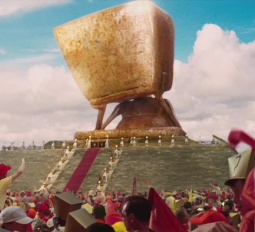
In the Hitchhiker Guide to Galaxy series, Douglas Adams dreams up a supercomputer that is designed to answer the question to life, the universe, and everything. When the computer finally comes to its conclusion and shares its answer, the public is less than satisfied. The answer is ‘42’.
Boy, did that computer likely cost a lot.
South Korean Volatility - Korean Composite Stock Price Index (KOSPI)
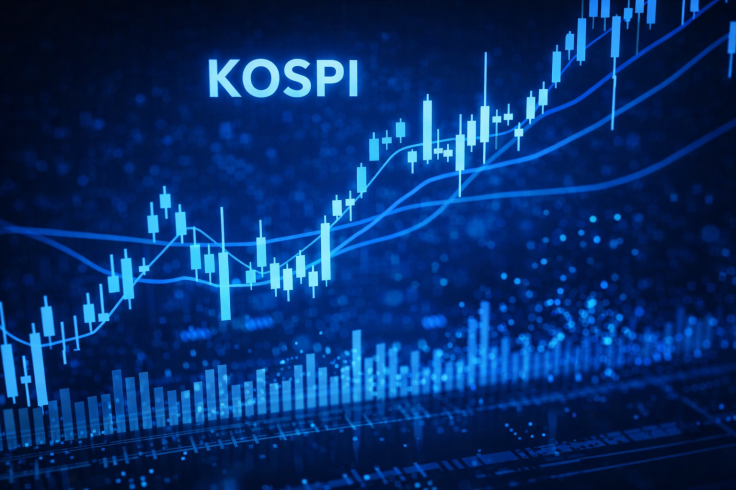
In July, the market drivers SK Hynix and Samsung both report quarterly earnings, with AI and chip-making capabilities driving investment expectations. Despite positive earnings, foreign investors began “taking profits ” and triggered a drop in price revealing many overleveraged investors facing a margin call. The result saw the market drop to 40 per cent of its June highs and reveal much of the AI investment is based on speculation and debt.
U.S Tech Sector
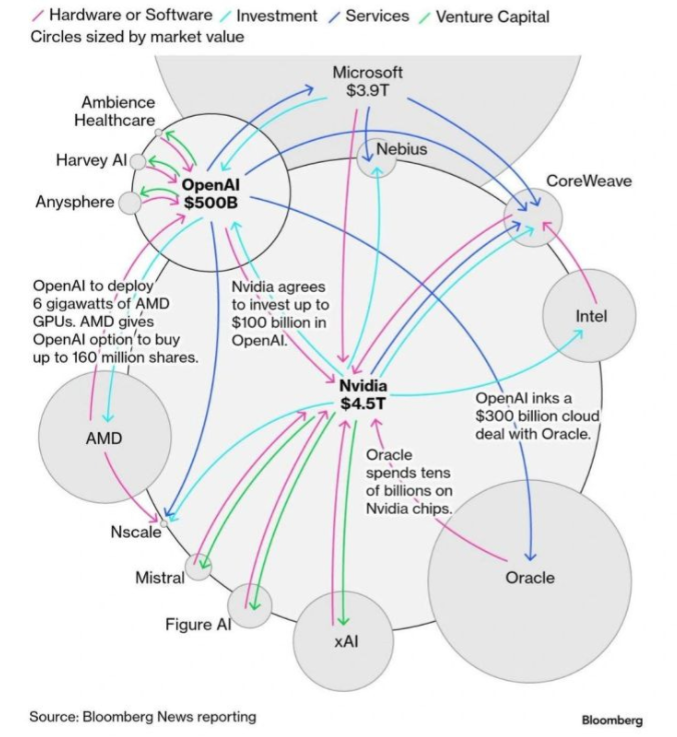
Similar to Korea, the U.S. markets are driven by the evaluations of 7 Tech companies and the subsidiary businesses they fund. The Magnificent 7 (Nvidia (NVDA), Microsoft (MSFT), Apple (AAPL), Alphabet (GOOGL), Amazon (AMZN), Meta Platforms (META), and Tesla (TSLA) represent 28% of the entire S&P 500.
Two other similarities to Korea, is that recent investment growth has been predominantly driven by AI and data center development, while many investors are speculating and overleveraged (e.g. Situational Awareness). As Wall Street has begun to review Q2 performance, investment in data centers weigh heavy on everyone’s books. Alphabet has reported its first negative cash flow in over 20 years; questions are rising about basic fundamentals. The U.S. market does not want to see investors, or CEOs, begin to “take profits” striking a downturn – noting Jeff Bezos has filed to sell $4.1B of Amazon.
Companies are reporting Q2 earnings (although may be not their Special Purpose Vehicle (SPV) debt management via shell corporations). Fund investors are thoroughly reviewing the fundamentals of tech companies and the circular economy where these 7 companies appear to be recycling the same funding on their books. The AI companies (OpenAI, Anthropic) are making record profits from software company investment (Microsoft, Amazon) yet buy AI companies buying the software companies cloud computing services. This model plays out with others, and chip companies are at the core of the market.
Japanese Carry Trade
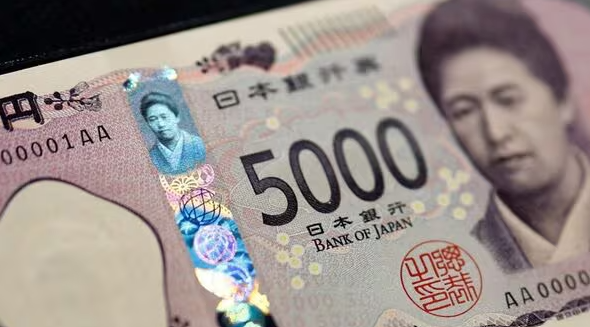
On July 31st, the U.S Treasury bought $59B of Japanese Yen, in partnership with the Bank of Japan (BOJ). The motive has been promoted as a supportive partnership; the reality is the U.S. is dependent on money that is parked in Japan with 0% interest borrowing cost. Since the 1990’s, investors would convert funds to Yen, borrow at no interest and invest with a set proven return, now enter the U.S. Treasury Bills. As Japanese interest rates have risen, the borrowers will exit their investments and convert back to the Yen (thus increasing the value of the currency). The faster this unwinds, the Japanese government will move to protect Yen by selling off its asset, of which Japan hold $2.2T of U.S. Treasury Bills increasing the overall yields on these U.S. bonds. Hence, the U.S. government loans BOJ some money.
Politics & Religion
MAGA fractures under its own influence

(September 6th, 2026 - Toronto, Canada)
18 months into Donald Trump’s 2nd Administration, the 47th President’s leadership is vastly different then his first term and it has not gone unnoticed by a core element of his MAGA base. The America First and Christian backed electorate that benefited from a stacked Supreme Court and overturning of Roe v. Wade, are now turning their back on this new administration. The reaction is tied to the influence of the Israeli-backed lobbyists and the administrations obfuscation of the release of Epstein files, collected by a suspected Israeli Mossad agent.
The Lead up and Trump 2.0 Timeline
September 17th-18th 2024, the Israel Defense Force (IDF) attack, Operation Grim Beeper, explodes personal devices of killing dozens of Hezbollah agents and injuring thousands in Lebanon and Syria.
November 2024, the International Criminals Courts (ICC) issue warrants for Benjamin Netanyahu and Hamas war commander Mohammed Deif for war crimes.
January 2025, Joe Biden peacefully transfers the U.S. Presidency to Donald Trump and is certified by VP Kamala Harris. Trump ran on an election platform to strengthen the economy, continue on Biden’s legacy of starting no new wars, to provide transparency into the Epstein Files. The Trump 2.0 administration immediately got to work.
February 2025, Trump welcomes his first foreign leader Netanyahu presenting a move beyond the Saudi-Israeli led 2020 Abraham Accords, to reveal the Gaza Reconstitution, Economic Acceleration and Transformation (GREAT) Trust, the creation of ‘the Riviera of the Middle East’, and displacement of 2M Palestinian’s.
June 2025, Ex-MAGA Christian pundit Tucker Carlson interviews Ted Cruz to challenge his position of regime change in Iran, and his long relationship with American-Israel Public Affairs Committee (AIPAC).
August 2025, American First MAGA loyalist Steve Bannon challenge youth support for Israel, and Majorie Taylor-Greene directly raises concern on the influence that AIPAC has on Trump.
September 5th, 2025, The Department of Defense is renamed to the Department of War under Defense Secretary Pete Hegseth (former Fox news host and resigned major from National Guard)
September 10th, 2025, Youth led organization Turning Point USA (TPUSA) leader Charlie Kirk is assassinated by a lone gunman Tyler Robinson or potentially an exploding microphone device.
Ex-colleague Candace Owens challenges the narrative, her investigation introduces an Israeli connection.
New TPUSA CEO, Erika Kirk began to mourn and transition the political movement forward.
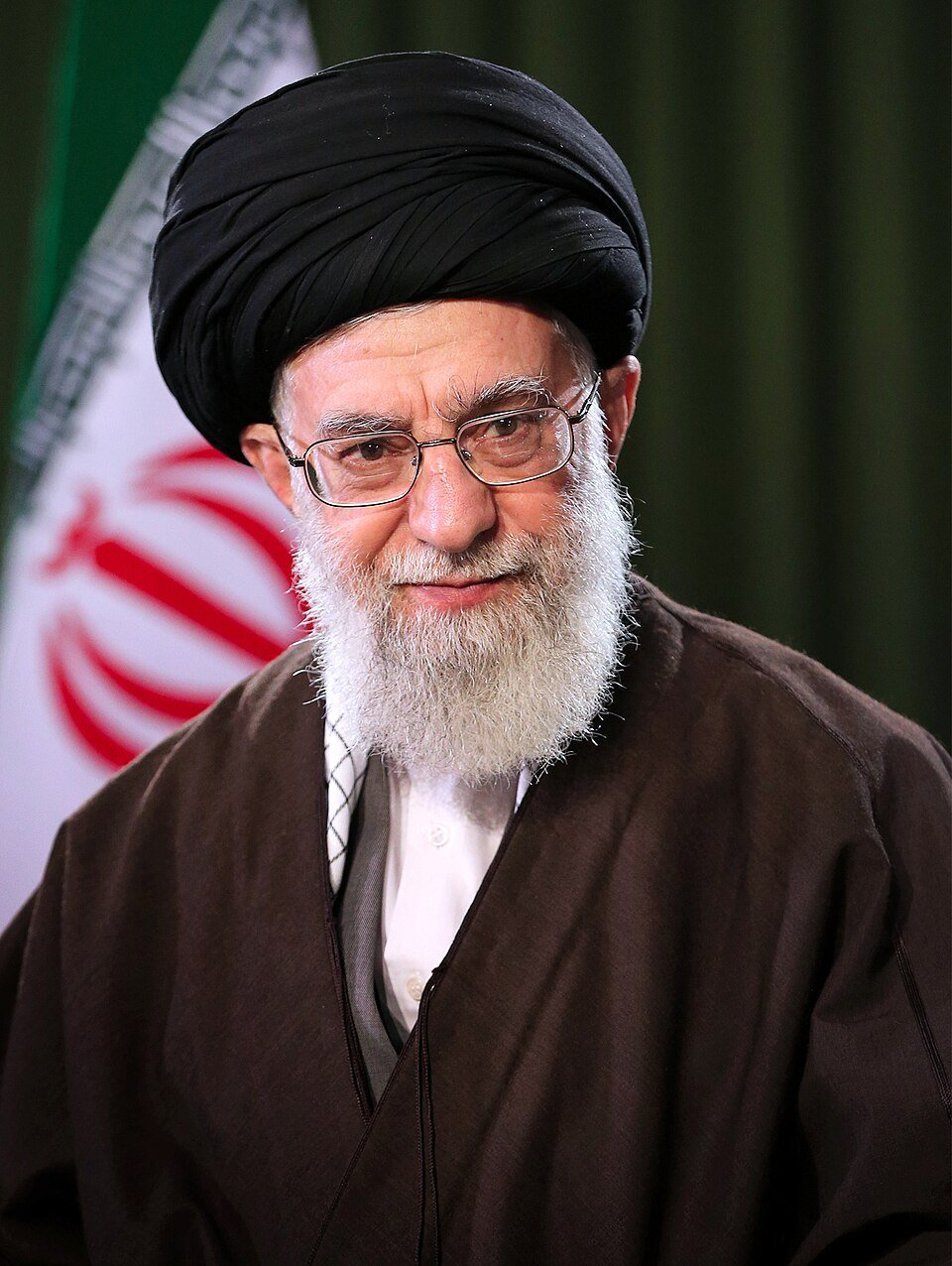
February 28th, 2026, U.S. and Israel attack Iran after they had re-built the nuclear arsenal that the U.S. destroyed the previous summer. The attack killed the religious Shia Ayatollah Khamenei and top leadership, liberating millions of Iranian citizens and protestors in demand of change.
March 2026, the Iranian Republic Guard (IRGC) remained undeterred, and effectively closed the Strait of Hormuz, freezing 20% of global oil shipments overnight.
Unlike the weekend success in Venezuela, and capture of Maduro, the U.S. military scales attacks on Iran.
July 2026, Thomas Massie loses primary election to run in KY mid-terms, to Trump backed candidate Gallrein, for his role in challenging the slow release of the Epstein files via the Transparency Act, and the Iran war (conflict).
August 2026, Massie introduces new Transparency Act II bill with criminal offenses to the Department of Justice officials if they do not release the Epstein Files as designated by law.
Key MAGA loyalists have lost their influence over Trump, and Alex Jones has even rallied his audience to ‘cut bait on Trump’. In lead up to the mid-terms a disjunct MAGA does not mean Republicans will vote Democrat. But will they vote?


Retrocausality
(July 24th, 2026 - Toronto, Canada)
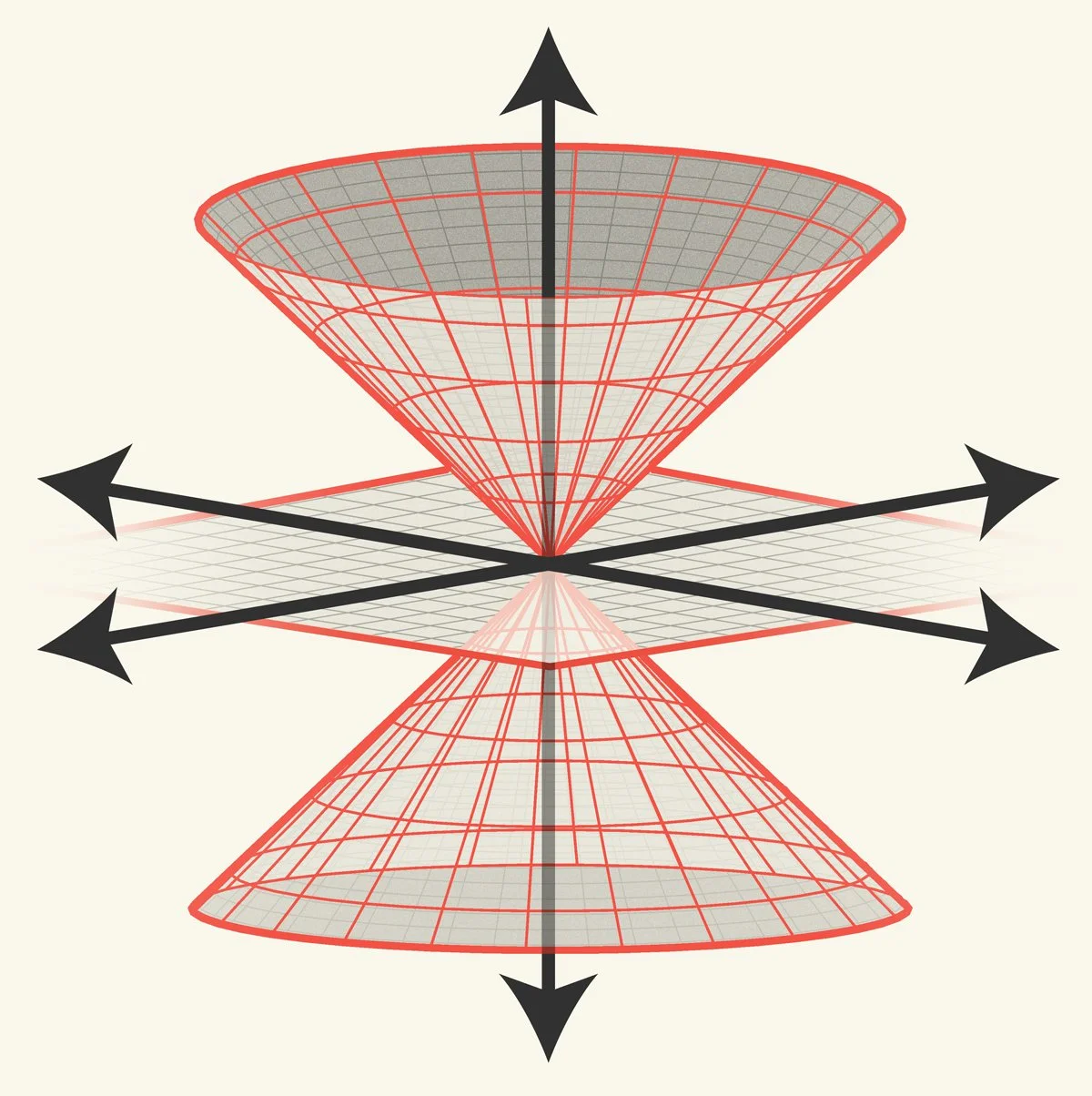
In the Sci-fi movie ‘Looper’ Bruce Willis’ character is from the future and describes that possibility by not describing it at all. "I don't want to talk about time travel because if we start talking about it then we're going to be here all day talking about it, making diagrams with straws." This is a great technique for the writer to evade critique of plots holes, and similarly a genius way to highlight that we are not as confident in how time works as we think we are.
Enter the brightest minds of the 20th century; Einstein’s Relativity and Analytical Philosophers (Russell, Wittgenstein) debate with Quantum Physicists (Feynmann, Wheeler) about how time & space are intertwined and observed.

They describe time as an ‘Arrow’ flowing through the air, which we can break down ‘all’ the moments of flight into stills yet when observed continuously it travels to its destination. When the Arrow hits its target, causal ripples are left from the flight and as it hits its destination. Simple; time is linear, and it is observable as such.
In the theory of special relativity, the faster something moves the heavier it gets, as the kinetic energy increases. It takes more energy to propel a faster moving object, and the implications of this proof creates its own ripple effect.
Although humans are restricted by our observational limits, and what we cannot record, this does not limit what we can conceptualize. Our mind can break down the flight of said Arrow, question the permutations defining its trajectory, outcome, and overall nature. These questions, which seem simple, branch off into endless discussion.
Free-Will v. Determinism (Strong – Macrocosmic)
o Are the permutations of flight purely chaotic or pre-determined in a fixed system. If the Arrow is set in a deterministic system, then ‘linear time’ is irrelevant as every state can exist at once – the only difference is the moment that one observes it.
o Bell’s theorem questions if fixed systems, e.g. various computer programs, can exist independently. Although there are fixed systems, they can exist independently and not impact the other systems, or the larger chaotic ecosystem which they exist in.
Einstein-Podolsky-Rosen Paradox (Weak – Microscopic)


o By measuring quantum permutations of flight, the observation alone will impact the mechanics of what is being measured. To rationalize these gaps, we need “no-go theorems”, models of quantum theory unavoidably nonlocal, contextual, and ψ-ontic (i.e., ascribe reality to the quantum states ψ).
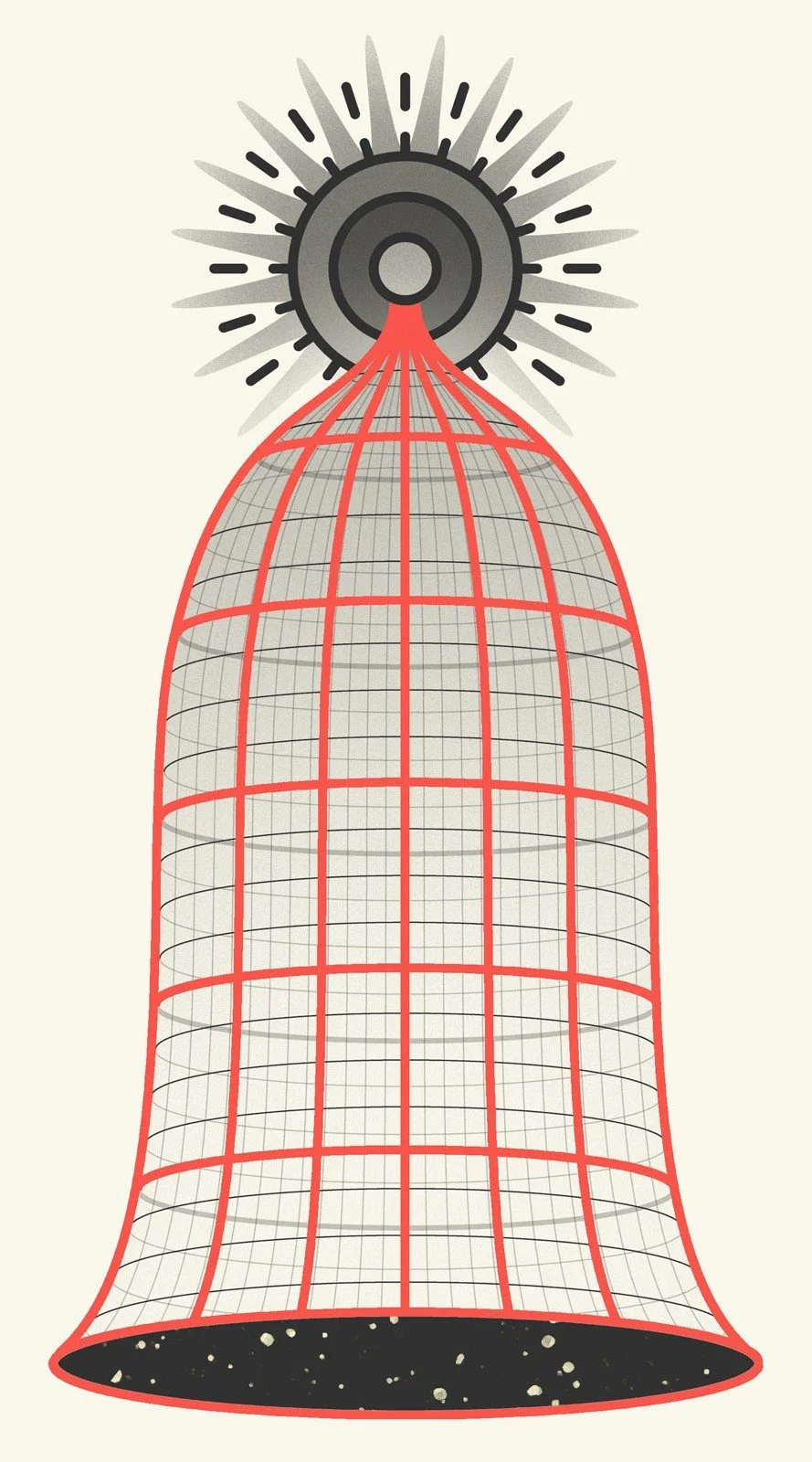
o By observing the Arrow going forward, there is an implication that is the preferred direction
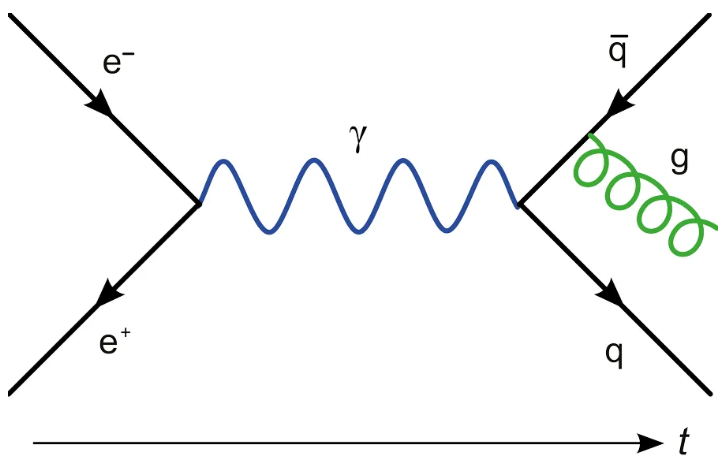
o In our present model of the physical universe, The Arrow is composed of multiple charged particles emitting an electromagnetic frequency, these forces should impact its trajectory. The ‘absorber theory of radiation’ opens way for the Dirac Equation to present particles dampen their own electromagnetic field around its position.
o Enter Stückelberg’s interpretation that the absorption of a positive particle inverse in time becomes a negative particle when it moves backwards in time, acting as the original absorber of the positive particle.
o Particles exist, and retreat to create a negative charge, cancelling their electromagnetic impact.
o “They are all the same electron” Yoichuro Nambu.
As creatives get ahold of scientific theory applicable to quantum particles, the lessons quickly find themselves expressed in human stories. The protagonist, as the particle, in this case meets its doppelganger in time and annihilates themselves. Fantastically, a rogue doppelganger retreats to the past with an attempt to impact on previous decisions. Creating a confusing, almost nonsensical, loop.